A friend of mine moved to Seoul three years ago with a suitcase full of Western skincare — expensive serums, clinical-strength actives, the works. Six months later, she’d quietly replaced every single one with Korean products. The one that surprised her most? Her vitamin C serum. She’d been using a $60 American formula that stung her skin and oxidized within weeks. Her Korean replacement cost a third of the price, layered like silk under sunscreen, and stayed stable for months after opening. When I asked her what changed, she said something that stuck with me: “Korean brands don’t just throw a high percentage on the label and call it done. They actually think about how the ingredient works on real skin, in real weather, in a real routine.” That conversation sent me down a rabbit hole — and what I found explains why Korean vitamin C serums have become the quiet gold standard in global skincare.
What Makes Korean Vitamin C Serums Different From Western Formulas
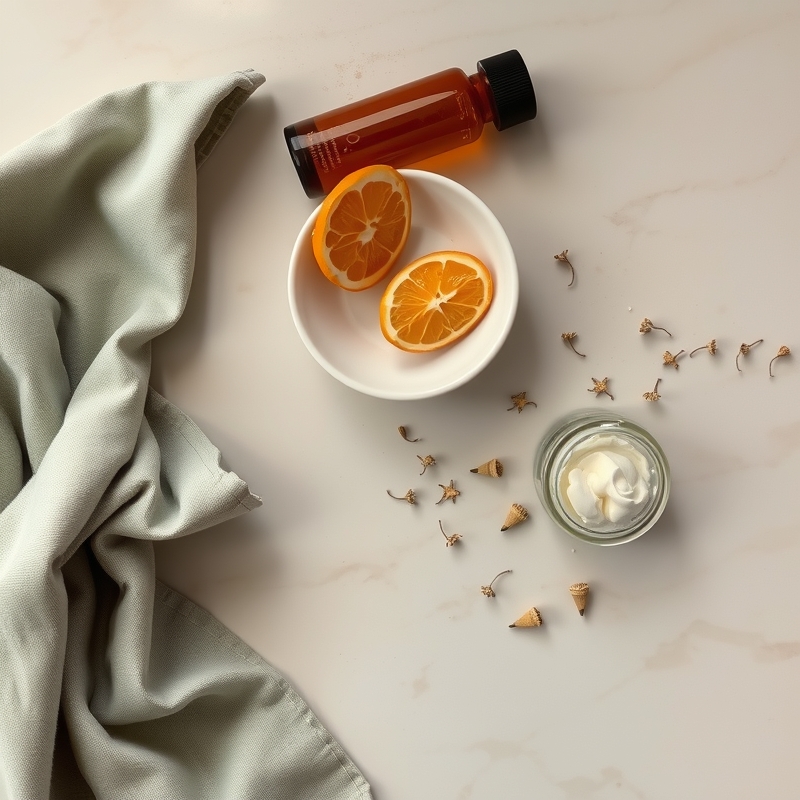
Korean vitamin C serums prioritize stability and skin compatibility over raw concentration — and that’s precisely why they work better for most people. Walk into any Olive Young in Seoul and count the vitamin C options: you’ll run out of fingers. But look closer. Most of them sit at 5-15% concentration, not the 20%+ that Western brands race toward.
That’s not a weakness. It’s a philosophy.
L-ascorbic acid, the purest form of vitamin C, is notoriously unstable. It oxidizes when exposed to air, light, and heat — turning from a clear liquid to a yellow-brown shade that’s essentially useless. Western brands often combat this by using higher concentrations and telling you to use it fast. Korean brands took a different route entirely:
- Stabilized derivatives like ethyl ascorbic acid and ascorbyl glucoside that convert to active vitamin C in the skin rather than degrading in the bottle
- Lower concentrations paired with synergistic ingredients — niacinamide, centella asiatica, green tea extract — that amplify brightening without increasing irritation
- Layering-friendly textures designed to sit seamlessly in the Korean multi-step routine, absorbing within seconds rather than pilling under moisturizer
- pH-conscious formulation that balances efficacy with the skin’s acid mantle, reducing the redness and stinging common with high-concentration Western serums
Without understanding this approach, you’d look at a Korean vitamin C serum’s ingredient list and think it’s weaker. Korean dermatologists generally recommend starting with lower concentrations and building gradually — a slower path, but one that avoids the irritation cycle where your skin gets damaged, you stop using the product, and you lose all progress.
The Korean Vitamin C Serum Ingredients That Actually Matter
The ingredient that separates a great Korean vitamin C serum from a mediocre one isn’t the vitamin C itself — it’s everything around it. This is something most skincare blogs miss completely, and it’s the reason your friend’s skin looks better using a $16 Korean serum than yours does with a $58 clinical brand.
The Three Forms You’ll See Most
Korean formulations typically use one of three vitamin C types, each suited to different skin concerns:
- Pure L-Ascorbic Acid (5-15%) — The most potent and well-researched form. Korean brands use it at lower percentages than Western brands, but combine it with ferulic acid and vitamin E to boost effectiveness. This trio is sometimes called the “antioxidant cocktail” in Korean skincare circles.
- Ethyl Ascorbic Acid — A stable derivative that doesn’t oxidize easily and penetrates skin effectively. It’s gentler than pure ascorbic acid, making it popular in Korean serums designed for sensitive or reactive skin types.
- Ascorbyl Glucoside — The gentlest option. It converts to active vitamin C once absorbed by the skin. Korean brands favor this for “first vitamin C” products aimed at beginners or those with easily irritated skin.
Supporting Cast Ingredients
Here’s where Korean formulation philosophy really shines. Instead of relying on vitamin C alone, K-beauty serums typically include:
- Niacinamide — Works alongside vitamin C to fade dark spots and strengthen the skin barrier. Despite the old myth that these two ingredients conflict, Korean chemists have been combining them for years with great results.
- Centella Asiatica (CICA) — Soothes irritation that vitamin C can sometimes cause, acting as a calming buffer
- Hyaluronic Acid — Provides hydration that pure vitamin C formulas strip away, keeping skin plump instead of tight
- Propolis or Honey Extract — Adds healing and glow without interfering with the active ingredient
This layered ingredient approach is why Korean vitamin C serums tend to feel like skincare, not like medicine. You actually want to use them every day — which matters more than most people realize, because consistency is what delivers visible brightening results, not a single powerful application.
How Korean Vitamin C Serums Compare: Finding Your Match
Choosing the right Korean vitamin C serum depends less on brand hype and more on your skin’s current state — here’s how the most popular options stack up. Most people shopping for a Korean vitamin C serum fall into one of three camps: those with sensitive skin who’ve been burned before, those hunting for serious dark spot correction, and those who just want an everyday brightening boost without fuss. The comparison below maps real product characteristics to each of these needs.
| Feature | Gentle / Beginner Formula | Balanced Brightening (Best Value) | High-Potency Correction |
|---|---|---|---|
| Typical Vitamin C Type | Ascorbyl glucoside | Ethyl ascorbic acid or hybrid | Pure L-ascorbic acid (10-15%) |
| Concentration Range | 2-5% | 5-10% | 10-15%+ |
| Best For | Sensitive, rosacea-prone, first-time users | Most skin types, daily use, prevention + correction | Stubborn hyperpigmentation, experienced users |
| Irritation Risk | Very low | Low to moderate | Moderate (patch test recommended) |
| Shelf Stability | Excellent (6+ months) | Good (4-6 months) | Shorter (use within 2-3 months of opening) |
| Texture | Watery, absorbs instantly | Lightweight serum, slight viscosity | Slightly oily or thicker serum |
| Approximate Price Range | Around $10-16 | Around $14-22 | Around $20-35 |
| Results Timeline | 6-8 weeks for subtle glow | 4-6 weeks for visible brightening | 2-4 weeks for noticeable fading |
| Layering Compatibility | Excellent under any routine | Excellent under most routines | May pill under heavier creams |
For most people reading this, the middle column — a balanced brightening formula — is the sweet spot. You get real, visible results without the irritation gamble of high-potency formulas, and the stability means you’re not racing to finish the bottle before it oxidizes. That’s the column where Korean vitamin C serums truly outperform their Western competitors.
Insider Picks: Korean Vitamin C Serums Worth Your Shelf Space
These are the serums that consistently show up in Korean skincare communities — not because of marketing budgets, but because people repurchase them. There’s a saying among Korean beauty enthusiasts: the products that matter aren’t the ones that go viral once — they’re the ones that quietly stay in your routine for years. The following picks reflect that philosophy.
You’ve probably spent money on vitamin C serums that oxidized before you finished them, stung when you applied them, or pilled under your sunscreen. That frustration isn’t your fault — it’s a formulation problem. Korean brands solved it by prioritizing how the serum behaves on real skin, in a real routine, over weeks and months of daily use.
Klairs Freshly Juiced Vitamin Drop
The entry point that converted thousands of skeptics. With 5% pure ascorbic acid in a gentle, non-irritating base, this is the serum Korean skincare communities recommend when someone says “vitamin C always burns my face.” It layers beautifully and stays stable far longer than most pure vitamin C formulas.
(paid link) Check Availability & Reviews →
Goodal Green Tangerine Vita C Dark Spot Serum
If dark spots are your main concern, this is the one Korean women reach for first. Formulated with Jeju green tangerine extract — a locally sourced antioxidant powerhouse — it targets hyperpigmentation with a lightweight texture that disappears into skin. The kind of serum that makes you check the mirror more often, not out of worry, but because something’s actually changing.
(paid link) See Why Reviewers Love This →
COSRX The Vitamin C 23 Serum
For experienced vitamin C users who want Korean formulation quality at a higher potency. At 23% pure ascorbic acid, this is as strong as Korean serums typically go — but COSRX buffers the intensity with vitamin E and hyaluronic acid so it doesn’t wreck your moisture barrier. Not a starter serum, but a serious upgrade for skin that’s already adapted to vitamin C.
(paid link) View Current Price →
How to Use a Korean Vitamin C Serum (Without Wasting It)
The biggest mistake people make with Korean vitamin C serums isn’t choosing the wrong product — it’s applying it at the wrong step, or storing it so it degrades before they finish the bottle. Even the best formula becomes worthless if it oxidizes on your bathroom shelf or gets neutralized by the wrong product layered on top.
Instead of a complicated 12-step process, here’s the streamlined routine that Korean skincare professionals generally recommend for getting the most from your vitamin C:
- Cleanse — Start with clean, slightly damp skin. If you double cleanse (oil cleanser then water-based), apply the serum after the second cleanse.
- Apply vitamin C serum on bare skin — This is critical. Vitamin C works best at a low pH, and layering toner or essence first can raise your skin’s pH and reduce absorption. Use 3-4 drops for your full face.
- Wait 60-90 seconds — Let it absorb before the next step. You’ll feel your skin go from slightly tacky to smooth.
- Follow with hydrating layers — Toner, essence, moisturizer. These seal in the vitamin C and prevent the dryness that high-potency formulas can cause.
- Finish with sunscreen (morning routine) — This is non-negotiable. Sunscreen protects the brightening work your vitamin C is doing. Without it, UV exposure triggers the same pigmentation you’re trying to fade.
Storage tip that most people ignore: Keep your vitamin C serum in the refrigerator — not the bathroom. The cool, dark environment slows oxidation dramatically. Korean beauty enthusiasts often keep a dedicated mini skincare fridge, and vitamin C is the number one reason why. If your serum has turned dark orange or brown, it’s oxidized and you should replace it.
Frequently Asked Questions
What happens if I use Korean vitamin C serum without sunscreen?
You risk making hyperpigmentation worse, not better. Vitamin C increases cell turnover, which makes fresh skin more vulnerable to UV damage. Without sunscreen, you’re essentially undoing the brightening effects and potentially creating new dark spots. Korean dermatologists generally consider vitamin C without SPF protection to be counterproductive.
Can I use Korean vitamin C serum with retinol?
Yes, but not at the same time of day. The most effective approach is vitamin C in the morning (it boosts your sunscreen’s antioxidant protection) and retinol at night. Using both simultaneously can cause irritation, especially for sensitive skin. Many Korean skincare routines are built around this AM/PM split for exactly this reason.
Why are Korean vitamin C serums lower in concentration than Western ones?
Korean formulations focus on bioavailability and skin tolerance rather than raw percentage. A well-formulated 10% serum with supporting ingredients can deliver comparable brightening to a 20% serum that irritates your skin and gets used inconsistently. According to dermatological research reviewed by the American Academy of Dermatology, concentrations above 20% do not significantly increase efficacy but do increase irritation risk.
How long does it take to see results from a Korean vitamin C serum?
Most people notice a visible brightness improvement within 4-6 weeks of consistent daily use. Dark spot fading typically takes 8-12 weeks. The key word is consistent — skipping days resets your progress more than most people realize. Korean skincare culture emphasizes daily discipline over dramatic interventions, and vitamin C results reflect that philosophy.
What does it mean when my vitamin C serum turns yellow or brown?
It means the L-ascorbic acid has oxidized and the serum has lost most of its effectiveness. A slight pale yellow tint is normal for many formulas, but dark amber or brown means it’s time to replace. This is less common with Korean serums that use stabilized derivatives like ethyl ascorbic acid, which is one reason many Korean brands favor them over pure ascorbic acid.
Key Takeaways
- Korean vitamin C serums prioritize stability and skin compatibility over high concentrations, which is why they deliver more consistent long-term results for most skin types.
- The best Korean formulas combine vitamin C with synergistic ingredients like niacinamide, centella, and hyaluronic acid — creating a brightening effect greater than vitamin C alone.
- A well-formulated 5-10% Korean serum often outperforms a 20% Western serum because you’ll actually use it every day without irritation, and consistency is what drives visible change.
- Always apply vitamin C on bare, freshly cleansed skin before other products — layering toner first reduces absorption and wastes the active ingredient.
- Store your serum in the refrigerator, not the bathroom — this single habit can double the effective lifespan of your product.
- Vitamin C without sunscreen is counterproductive — the increased cell turnover makes unprotected skin more vulnerable to the UV damage that causes dark spots in the first place.
Tonight, take your vitamin C serum out of the bathroom cabinet and move it to the fridge. Tomorrow morning, apply it right after cleansing — before toner, before everything — and follow with sunscreen. That one change in order and storage is enough to transform a product that wasn’t working into one that finally does.
This article contains affiliate links. If you purchase through these links, we may earn a small commission at no extra cost to you. We only recommend products we genuinely believe in.
You Might Also Like
- Korean Moisturizer Compared: Best Pick for Every Skin Type
- 7 Korean Red Ginseng Benefits You Should Know
- Korean Hangover Cure: Why Your Recovery Method Is Wrong