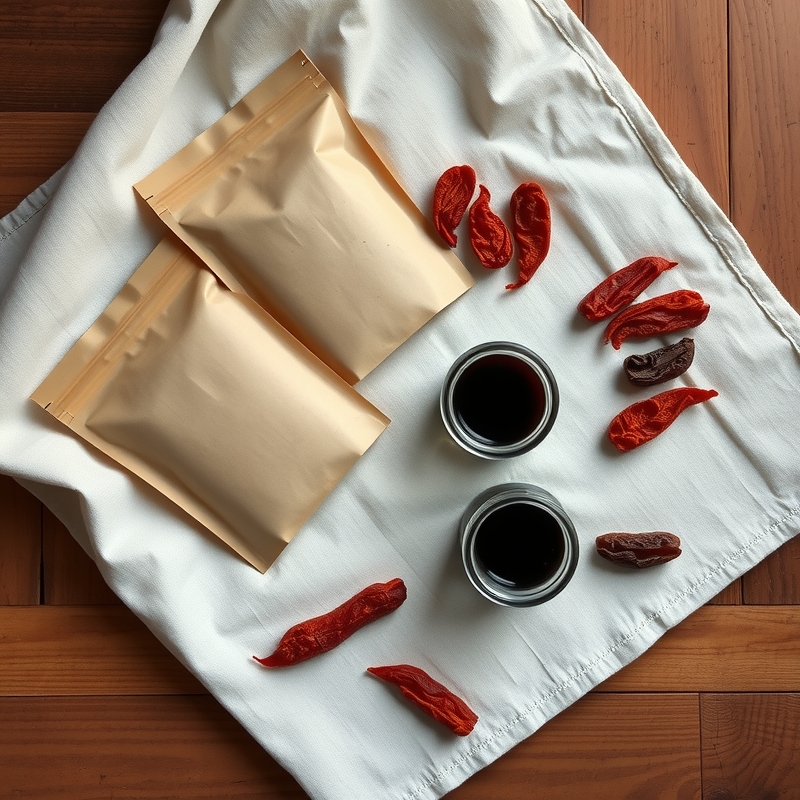
My Korean father-in-law takes one thing every single morning before breakfast — a small pouch of Korean red ginseng extract. He’s done it for over 20 years. When I asked him why, he didn’t mention antioxidants or clinical trials. He just said, “I stopped getting sick.” Korean red ginseng (Panax ginseng) isn’t a trendy supplement here — it’s a deeply rooted part of Korean health culture with over 2,000 years of documented use. Here are 7 benefits that explain why nearly every Korean household keeps some form of it in the kitchen cabinet.
Quick Overview: 7 Korean Red Ginseng Benefits at a Glance
| # | Benefit | Who It’s Best For | How Koreans Typically Use It |
|---|---|---|---|
| 1 | Sustained energy without jitters | Tired office workers, busy parents | Morning extract pouch or ginseng tea |
| 2 | Immune system support | Anyone prone to seasonal illness | Daily extract, especially in autumn/winter |
| 3 | Mental clarity and focus | Students, professionals with brain fog | Ginseng candy or extract before study sessions |
| 4 | Skin health and anti-aging | Anyone concerned about dull or aging skin | Oral supplements + ginseng-infused skincare |
| 5 | Blood circulation improvement | People with cold hands/feet | Warm ginseng tea in winter |
| 6 | Stress and fatigue recovery | Overworked, chronically fatigued | Ginseng extract after long work periods |
| 7 | Digestive and gut support | Those with sluggish digestion | Diluted extract or ginseng-infused chicken soup |
1. Korean Red Ginseng Benefits Start with Real, Lasting Energy
Unlike caffeine, which spikes your energy and drops it just as fast, Korean red ginseng supports sustained energy by helping your body use oxygen more efficiently. This is why Korean office workers don’t just reach for coffee — they reach for a ginseng pouch alongside it.
Walk into any Korean convenience store — CU, GS25, 7-Eleven — and you’ll find an entire shelf of red ginseng drinks right next to the energy drinks. The difference? Koreans treat ginseng as a daily foundation, not a quick fix. Parents give diluted ginseng extract to their kids during exam season. Grandparents take it every morning like clockwork.
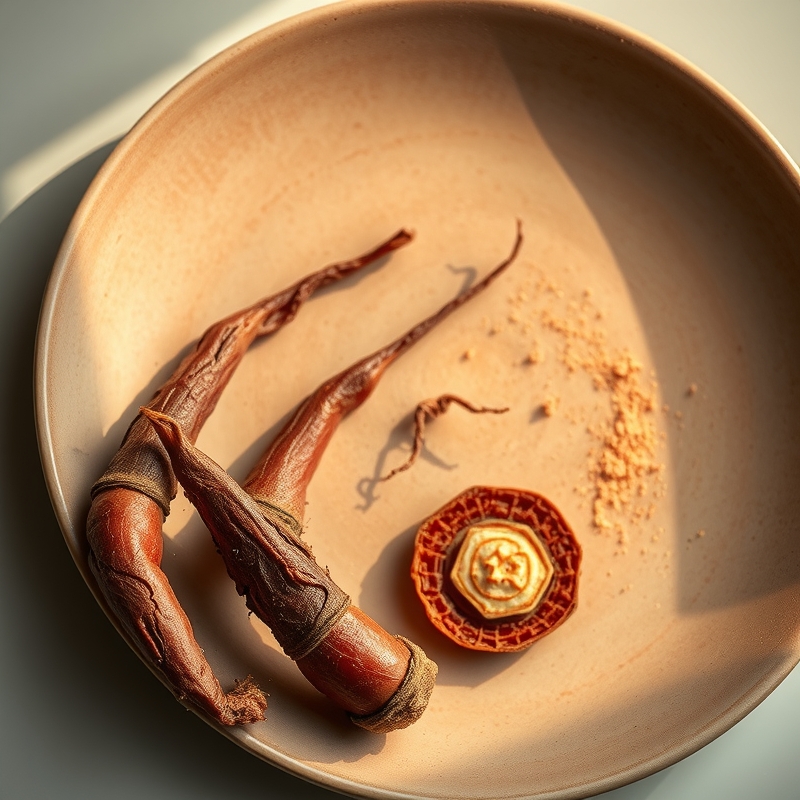
The key is the ginsenosides — active compounds unique to Panax ginseng — which are concentrated during the steaming and drying process that turns white ginseng into red ginseng. This steaming process, traditionally repeated multiple times, actually changes the chemical structure and creates new ginsenoside compounds not found in raw ginseng.
- Morning routine: Most Koreans take red ginseng extract on an empty stomach, about 30 minutes before breakfast
- Dosage: A typical daily pouch contains around 3g of red ginseng extract
- Timeline: Koreans generally say you’ll notice a difference in energy levels after about 2-4 weeks of consistent use
2. Immune System Support — The Reason Korean Parents Stock Up Every Autumn
Korean red ginseng is classified as a health functional food by Korea’s Ministry of Food and Drug Safety (MFDS), with officially recognized benefits for immune function. That’s not marketing — it’s a government-level health classification.
Every September in Korea, something predictable happens: parents and adult children start ordering boxes of red ginseng to send to their aging parents. It’s one of the most popular health gifts during Chuseok (Korean Thanksgiving) and Lunar New Year. The cultural logic is simple — if you want your parents to stay healthy through winter, you send ginseng.
What makes this more than tradition is that the U.S. National Center for Complementary and Integrative Health (NCCIH) acknowledges research into ginseng’s immune-modulating properties, particularly its effects on immune cells like natural killer cells and macrophages. Korean researchers have been especially active in this field, given ginseng’s importance to the national economy and culture.
- Seasonal strategy: Koreans typically increase their ginseng intake starting in early autumn
- For kids: Children’s ginseng products (with honey or jelly form) are widely available and commonly given from around age 3-4
- Recovery use: After illness, ginseng chicken soup (samgyetang) is the go-to recovery meal in Korean culture
3. Mental Clarity and Focus — Why Korean Students Swear by It
Korean red ginseng has been traditionally used to support cognitive function, and it’s deeply embedded in Korea’s intense academic culture. During the annual college entrance exam (Suneung), it’s common for parents to prepare months’ worth of red ginseng extract for their children’s study period.
This isn’t placebo culture. The ginsenosides in red ginseng are being studied for their potential effects on neurotransmitter activity and cerebral blood flow. Korean researchers at institutions like the Korea Ginseng Research Institute have published extensively on these mechanisms. While more research is always needed, the consistency of traditional use spanning centuries offers its own kind of evidence.
Here’s what most people outside Korea don’t realize: red ginseng isn’t considered a “supplement” in the same way Westerners think of vitamins. It occupies a unique space between food and medicine in Korean culture — something you take daily as part of staying well, not something you reach for when you’re already struggling.
- Study hack: Korean students often take ginseng extract or chew ginseng candy during long study sessions
- Office culture: Many Korean companies provide red ginseng products in their employee wellness programs
- Pairing tip: Koreans often take ginseng with warm water — never with cold, as traditional Korean medicine suggests warm consumption aids absorption
4. Skin Health and Anti-Aging Benefits of Korean Red Ginseng
Korean red ginseng contains compounds that support collagen synthesis and skin cell turnover, which is why major Korean beauty brands like Sulwhasoo and Donginbi have built entire luxury skincare lines around ginseng extract.
Here’s something most K-beauty articles won’t tell you: Korean women who are serious about anti-aging don’t just put ginseng on their skin — they take it internally. The Korean approach to skin health has always been inside-out. Your serums can only do so much if your body isn’t producing collagen efficiently from within. That’s why red ginseng supplements and ginseng-infused skincare are often used together.
Sulwhasoo’s bestselling Concentrated Ginseng line, made by Amorepacific (Korea’s largest beauty conglomerate), uses ginseng that’s been cultivated for 6 years — the same maturation timeline used for premium edible red ginseng. This isn’t a coincidence. In Korea, 6-year-old ginseng is considered the gold standard because ginsenoside concentration peaks at this age before the root begins to deteriorate.
- Internal: Daily red ginseng extract supports skin from within
- External: Ginseng-infused serums and creams for topical benefits
- Korean logic: “Feed the skin from both sides” — oral + topical for best results
- Timeline: Most Koreans report visible skin improvements after 6-8 weeks of consistent oral ginseng use
5. Better Blood Circulation — The Real Reason Koreans Drink Ginseng Tea in Winter
Korean red ginseng is traditionally used to improve blood circulation, and this benefit is especially valued during Korea’s harsh winters where temperatures regularly drop below -10°C (14°F).
If you’ve ever complained about cold hands and feet, a Korean friend has probably already suggested ginseng tea. This isn’t casual advice — it’s one of the most deeply held health beliefs in Korean culture. In traditional Korean medicine, cold extremities signal poor circulation and low “gi” (기, vital energy). Red ginseng is considered one of the most effective ways to address this.
The mechanism makes sense even without traditional medicine framing: ginsenosides have been shown to help relax blood vessels, which can improve peripheral blood flow. This is why ginseng tea is served warm — the heat and the ginseng work together to support circulation.
- Winter ritual: Warm ginseng tea with honey, sipped slowly between meals
- For cold types: Korean medicine practitioners often recommend red ginseng specifically for people with “cold constitution” (냉한 체질)
- Important note: If you run hot or experience frequent headaches, Korean practitioners typically suggest starting with a smaller dose, as ginseng is considered a warming ingredient
6. Stress Recovery and Fatigue — Korea’s Adaptogen Before “Adaptogens” Were Trendy
Korean red ginseng is classified as an adaptogen — a natural substance that helps the body resist physical, chemical, and biological stressors. Long before the Western wellness world started using the word “adaptogen,” Koreans had already been using red ginseng for exactly this purpose for centuries.
Korea has some of the longest working hours in the developed world. According to the OECD, South Korea consistently ranks among the top countries for annual hours worked. This cultural context matters — red ginseng isn’t popular here because of clever marketing. It’s popular because people are genuinely exhausted, and they’ve found something that helps them recover.
The Korean military includes red ginseng extract in care packages for soldiers. Companies gift ginseng sets to overworked employees. Hospitals recommend it for post-surgery recovery. In Korean culture, giving someone red ginseng is essentially saying: “I know you’re pushing too hard — please take care of yourself.”
- Post-illness recovery: Koreans commonly increase ginseng intake after surgery or prolonged illness
- Burnout support: Consistent daily use is preferred over occasional high doses
- Cortisol connection: Ginsenosides are being researched for their potential role in modulating the body’s cortisol response to stress
7. Digestive and Gut Health Benefits of Korean Red Ginseng
The steaming process that creates red ginseng also makes it gentler on the stomach than raw white ginseng, while producing unique compounds that may support gut health. This is a benefit that surprises most people outside Korea.
Here’s something most ginseng guides miss: the way red ginseng interacts with your gut bacteria actually affects how well you absorb its benefits. Korean researchers have found that gut microbiome composition influences how effectively your body converts ginsenosides into their active forms. This means the health of your gut determines how much benefit you get from ginseng — and in return, ginseng may support gut health. It’s a beneficial cycle.
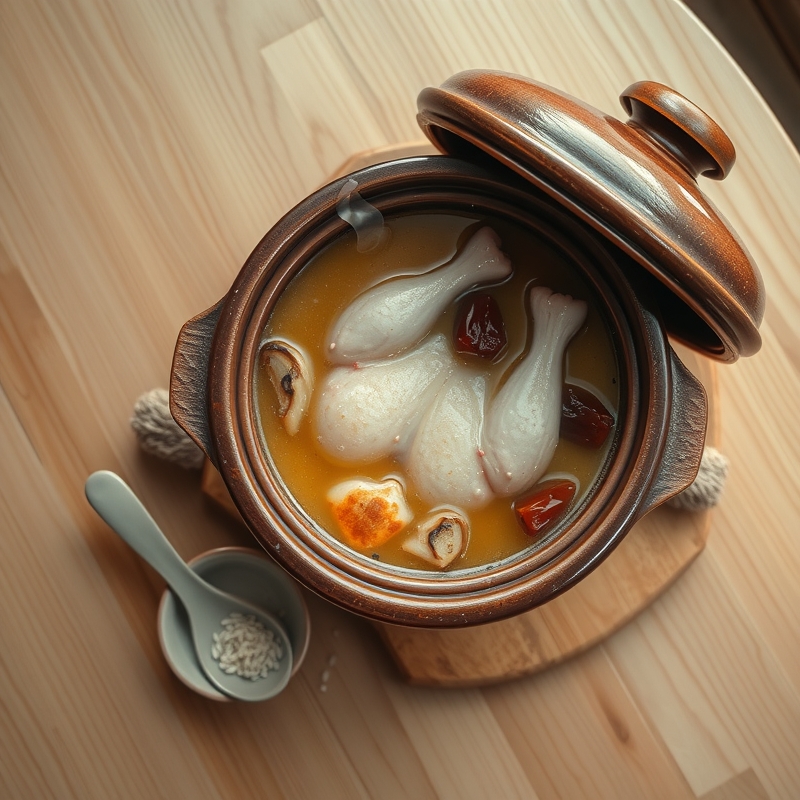
This is also why samgyetang (ginseng chicken soup) is Korea’s go-to recovery food. The combination of slow-cooked chicken, ginseng root, garlic, jujube dates, and glutinous rice creates a meal that’s both nourishing and easy on a recovering digestive system. Koreans don’t eat samgyetang because it tastes good with ginseng — they built the entire dish around ginseng’s healing properties.
- Gentle start: If you’re new to ginseng, start with diluted extract or ginseng tea rather than concentrated supplements
- With food: Taking ginseng with or after a meal can reduce any stomach sensitivity
- Fermented option: Some Korean brands offer fermented red ginseng, which is pre-broken down for easier absorption
Choosing the Right Korean Red Ginseng: Comparison Table
| Feature | Ginseng Tea / Sliced Root | Concentrated Extract (Pouches) | Capsules / Tablets |
|---|---|---|---|
| Convenience | Low — requires brewing | High — tear and drink | Highest — swallow with water |
| Ginsenoside concentration | Lower | Highest | Medium-high |
| Taste | Mild, earthy | Strong, bitter-sweet | No taste |
| Price range | Around $15-25 per box | Around $30-60 for a month supply | Around $20-40 for a month supply |
| What Koreans prefer | Casual daily use, gifting | Most popular daily format | For those who dislike the taste |
| Absorption speed | Moderate | Fast — liquid form | Slower — needs to dissolve |
| Best for beginners? | Good starting point | Best overall value and efficacy | Good if taste-sensitive |
The concentrated extract pouch is the most popular format in Korea for a reason — it delivers the highest ginsenoside concentration in the most convenient form. If you’re unsure where to start, this is what most Korean families actually use daily. Tea is lovely but lower in active compounds. Capsules work if you truly can’t handle the taste, but you lose the absorption advantage of liquid form.
CheongKwanJang Korean Red Ginseng Extract Everytime
This is the brand you’ll find in virtually every Korean household. CheongKwanJang is made by the Korea Ginseng Corporation, which has been operating since 1899. Their portable extract pouches are the same ones Korean office workers toss in their bags every morning — convenient, potent, and made from 6-year-old ginseng roots.
CheongKwanJang Korean Red Ginseng Capsules
If the earthy, bitter taste of straight ginseng extract isn’t for you, these capsules deliver the same 6-year-old ginseng in a no-taste format. Same trusted brand, same quality — just without the flavor commitment. Many Koreans keep these at the office for midday doses.
Korean Red Ginseng Tea (Sliced Root)
For a gentler daily ritual, sliced red ginseng root brewed as tea is how many Korean grandparents have taken their ginseng for decades. You get the warmth, the aroma, and a milder introduction to ginseng’s flavor. Steep a few slices in hot water for 10-15 minutes with a touch of honey.
Frequently Asked Questions
What happens if I take Korean red ginseng at night?
Taking red ginseng in the evening may interfere with sleep for some people, as it has mild stimulating properties. Most Korean health practitioners recommend taking it in the morning or early afternoon. If you’re sensitive to even green tea, start with a morning-only dose and see how your body responds.
How long does it take to feel the benefits of Korean red ginseng?
Most Koreans report noticing a difference in energy and overall wellness after 2-4 weeks of consistent daily use. Red ginseng is not a one-time fix — it works cumulatively. This is why Koreans take it as a daily routine, not an occasional supplement. Skin-related benefits typically take 6-8 weeks to become visible.
Can I take Korean red ginseng if I drink coffee?
Yes, and many Koreans do exactly this. Ginseng and caffeine work through different mechanisms. However, if you’re sensitive to stimulants, you might want to space them out — take your ginseng in the morning and coffee a bit later. The ginseng provides a steadier baseline energy that complements coffee’s sharper kick.
What’s the difference between Korean red ginseng and American ginseng?
Korean red ginseng (Panax ginseng) and American ginseng (Panax quinquefolius) are different species with different properties. Korean red ginseng is considered warming and energizing in traditional medicine, while American ginseng is considered cooling and calming. The steaming process unique to Korean red ginseng also creates ginsenoside compounds not found in other ginseng varieties.
Is Korean red ginseng safe for everyone?
Korean red ginseng is generally safe for most healthy adults, but certain groups should consult a doctor first. This includes pregnant or breastfeeding women, people on blood-thinning medications, those with autoimmune conditions, and anyone scheduled for surgery. In Korea, children typically start with specially formulated, lower-dose ginseng products around age 3-4.
Key Takeaways
- Korean red ginseng has over 2,000 years of documented use and is officially recognized by Korea’s MFDS for immune function benefits — this isn’t a trend, it’s a cornerstone of Korean health culture
- The 6-year cultivation standard matters — ginsenoside concentration peaks at 6 years, which is why premium Korean brands specify this on their packaging
- Concentrated extract pouches are the most popular daily format in Korea — they offer the highest ginsenoside content in the most convenient and fast-absorbing form
- Red ginseng works cumulatively, not instantly — expect to notice energy changes in 2-4 weeks and skin improvements in 6-8 weeks with daily use
- Koreans approach ginseng as an inside-out health strategy — oral supplements for systemic benefits, topical products for skin, and ginseng-infused foods like samgyetang for recovery
- The steaming process is what makes red ginseng unique — it creates ginsenoside compounds not found in raw white ginseng and makes the root gentler on digestion
Here’s the simplest way to start: pick up a box of red ginseng extract pouches, and take one every morning with warm water on an empty stomach for the next three weeks. No complicated routine, no stacking with other supplements — just one pouch, every morning. By week three, you’ll understand why your Korean coworker has been doing this for years.
This article contains affiliate links. If you purchase through these links, we may earn a small commission at no extra cost to you. We only recommend products we genuinely believe in.