A friend visiting Seoul asked why everyone’s skin looked so calm — not dewy in a filtered way, just quietly healthy. The answer wasn’t one miracle product. It was that Korean moisturizers are formulated by texture type — gel, emulsion, and cream — so each skin type gets exactly the hydration level it needs, nothing more. Most Western routines skip this step entirely, which is why the same “best moisturizer” keeps failing half the people who buy it.
This guide compares the three main Korean moisturizer categories head-to-head so you can find the one that actually belongs on your face.
Korean Gel Moisturizer vs Cream vs Emulsion: What’s the Real Difference?
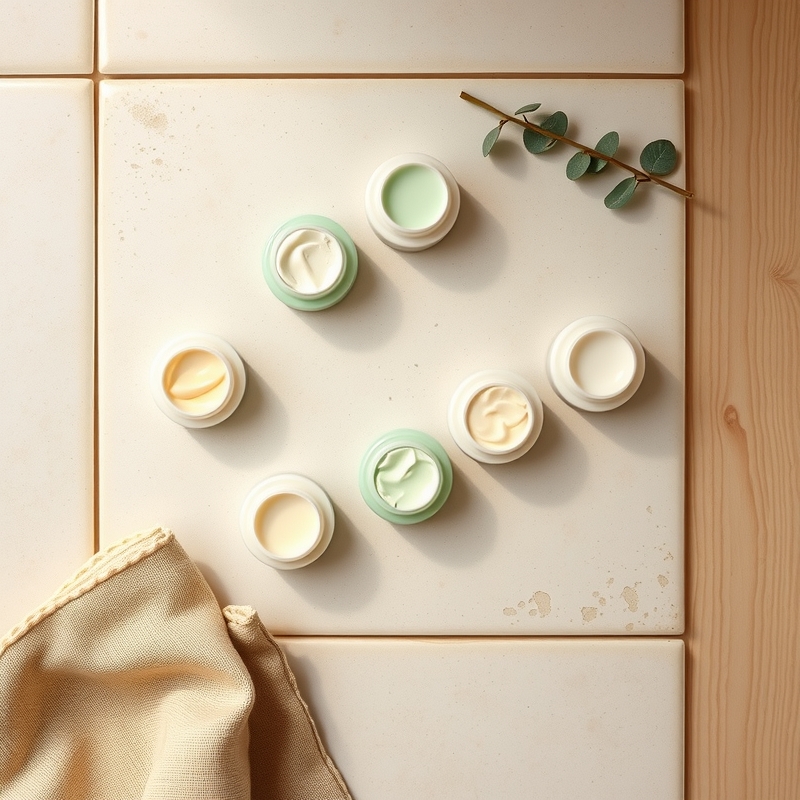
Korean skincare splits moisturizers into three distinct textures — gel, emulsion, and cream — each designed for a different hydration need. This isn’t marketing fluff. Walk into any Olive Young store in Seoul and you’ll see them shelved separately, because Korean consumers treat them as fundamentally different products.
Here’s why this matters for you: if you have oily skin and you’ve been using a cream, you’ve been over-moisturizing. If you have dry skin and you keep buying “lightweight” gel moisturizers because a blog told you to, your skin barrier is probably compromised. The texture you choose changes everything.
Gel Moisturizer
Water-based, almost weightless. Absorbs in seconds and leaves zero residue. Korean gel moisturizers typically use hyaluronic acid as the primary humectant — it pulls moisture from the air into your skin without adding any oil. This is the default in most Korean households during summer, even for people who use cream in winter.
Emulsion
A lightweight lotion — thinner than cream but richer than gel. Think of it as the middle ground Korean skincare invented because not everyone fits into “oily” or “dry.” Emulsions balance water and a small amount of oil, making them the most versatile category. In Korea, emulsion is often the first moisturizer teenagers learn to use.
Cream
Rich, occlusive, and designed to seal moisture in. Korean creams tend to be lighter than Western creams — they focus on barrier repair with ingredients like ceramides and shea butter rather than just sitting heavy on the skin. Korean dermatologists generally recommend cream-type moisturizers for anyone with a damaged skin barrier, regardless of skin type.
| Feature | Gel Moisturizer | Emulsion | Cream |
|---|---|---|---|
| Texture | Lightweight, water-based | Thin lotion, balanced | Rich, occlusive |
| Absorption Time | Under 10 seconds | 15–30 seconds | 1–2 minutes |
| Oil Content | None to minimal | Low to moderate | Moderate to high |
| Best Season | Summer / humid climates | Spring, fall, year-round | Winter / dry climates |
| Finish | Matte, invisible | Soft, natural | Dewy, cushioned |
| Layers Well Under Makeup? | Excellent | Very good | Depends on formula |
Best Korean Moisturizer Compared by Skin Type
The biggest mistake in choosing a Korean moisturizer is following someone else’s “holy grail” instead of matching texture to your actual skin type. What works for a beauty influencer with normal skin in a temperature-controlled studio will wreck your combination skin in a real apartment with real weather.
Here’s the breakdown Korean estheticians actually use when recommending moisturizers to clients:
Oily Skin
Without a proper moisturizer, oily skin overproduces sebum to compensate — making the problem worse. The fix isn’t skipping moisturizer; it’s choosing a gel type with hyaluronic acid and zero oils. In Korea, oily-skinned people almost universally use gel moisturizers year-round. The COSRX Oil-Free Moisturizing Lotion became a cult favorite in Korean online communities precisely because it hydrates without adding a single drop of oil.
Dry Skin
Dry skin needs both water (humectant) and oil (occlusive) to recover. A gel alone won’t cut it. Korean cream moisturizers with ceramides rebuild the lipid barrier that dry skin lacks. Many Korean women with dry skin layer an emulsion underneath a cream — doubling up rather than relying on one heavy product.
Combination Skin
This is where emulsion shines. Most Korean skincare brands developed the emulsion category specifically for combination skin — enough moisture for dry patches, light enough for the T-zone. Some people in Korea apply emulsion all over and add a tiny amount of cream only on the cheeks. It takes an extra 15 seconds and solves the problem most single-product routines can’t.
Sensitive Skin
Korean moisturizers for sensitive skin strip the ingredient list down to essentials. The rule in Korean dermatology clinics: fewer ingredients, fewer reactions. Look for products with under 15 ingredients, no fragrance, and centella asiatica (known as byeongpul in Korean herbal medicine) as a key calming agent. The Etude House SoonJung line was formulated with a pH of 5.5, matching the skin’s natural acid mantle.
| Skin Type | Best Texture | Key Ingredients to Look For | Ingredients to Avoid |
|---|---|---|---|
| Oily | Gel | Hyaluronic acid, birch sap, aloe | Shea butter, mineral oil, coconut oil |
| Dry | Cream | Ceramides, squalane, shea butter | Alcohol denat, witch hazel |
| Combination | Emulsion | Niacinamide, green tea, light squalane | Heavy oils, petrolatum |
| Sensitive | Cream (minimal formula) | Centella, madecassoside, panthenol | Fragrance, essential oils, AHA/BHA |
| Normal | Any (emulsion most popular) | Green tea, rice extract, hyaluronic acid | No strict avoidances |
Korean Moisturizer Ingredients Compared: What Actually Works
Korean moisturizers rely on a different ingredient philosophy than Western ones — they prioritize hydration layers and barrier support over anti-aging actives. Most Korean formulations build moisture in stages rather than cramming retinol, vitamin C, and SPF into a single jar. That approach actually makes skin healthier long-term, because the barrier stays intact.
Here are the hero ingredients you’ll find in Korean moisturizers, what they actually do, and which skin type benefits most:
- Hyaluronic Acid: Holds up to 1,000 times its weight in water. Present in almost every Korean gel and emulsion. Best for oily and normal skin.
- Ceramides: Lipids that rebuild the skin barrier. Essential for dry and sensitive skin. Korean brands like Innisfree and Etude House use plant-derived ceramides.
- Snail Mucin: Sounds unusual, but snail secretion filtrate contains glycoproteins and glycolic acid that repair and hydrate simultaneously. Hugely popular in Korea across all skin types.
- Centella Asiatica: A medicinal herb used in Korean and Ayurvedic traditions for wound healing. Calms redness and inflammation. The go-to for sensitive and acne-prone skin.
- Green Tea Extract: Antioxidant-rich and naturally soothing. Innisfree built an entire moisturizer line around Jeju Island green tea — and it became one of Korea’s best-selling skincare ranges.
- Rice Extract: Traditional Korean ingredient. Brightens and softens skin over time. Found in many emulsion-type moisturizers.
| Ingredient | Hydration Level | Barrier Repair | Best For | Found In |
|---|---|---|---|---|
| Hyaluronic Acid | High | Low | Oily, Normal | Gels, Emulsions |
| Ceramides | Medium | High | Dry, Sensitive | Creams |
| Snail Mucin | Medium-High | Medium | All types | Creams, Essences |
| Centella Asiatica | Low | High | Sensitive, Acne-prone | Creams, Gels |
| Green Tea | Medium | Medium | Combo, Normal | Emulsions, Creams |
| Rice Extract | Medium | Low | Dull, Normal | Emulsions |
Price vs Performance: Korean Moisturizer Value Compared
Korean moisturizers typically cost 40–60% less than Western counterparts with comparable or better ingredient lists. This isn’t a guess — compare the ingredient labels side by side at any retailer. A Korean cream with ceramides, centella, and niacinamide runs around $12–20 for 50ml, while a Western brand with the same actives often starts at $35 and goes well above $50.
The reason is structural. Korea’s skincare market is intensely competitive — thousands of brands fight for shelf space at Olive Young alone — which keeps prices low and innovation high. You benefit from that competition.
But not every Korean moisturizer is worth it. Here’s how the major price tiers actually compare:
| Price Tier | Range (approx.) | What You Get | Worth It? |
|---|---|---|---|
| Budget | $5–12 | Solid basics — effective hydration, simple formulas, less elegant textures | Great for beginners or simple routines |
| Mid-Range | $12–25 | Best value — refined textures, targeted ingredients, elegant packaging | Best overall value — this is the sweet spot |
| Premium | $25–50+ | Luxury textures, rare extracts, prestige branding, beautiful packaging | Diminishing returns on skin results |
The mid-range tier is where most Korean consumers shop. In Seoul, spending $40 on a moisturizer would raise eyebrows — the assumption is that you’re paying for the brand, not the formula. Instead of a 60-minute routine with one expensive cream, most Korean women use two mid-range products layered together. The results are better, and the total cost is lower.
COSRX Advanced Snail 92 All in One Cream
This is the moisturizer that converted skeptics. 92% snail mucin delivers deep hydration across every skin type — oily skin absorbs it without greasiness, dry skin gets lasting moisture. The texture feels like nothing on your skin, which is exactly the point.
(paid link)
See Why Reviewers Love This →
Etude House SoonJung 2x Barrier Intensive Cream
If your skin reacts to everything, this is where you start. With only 10 key ingredients and a pH of 5.5, it calms irritation while rebuilding the barrier your current routine may be stripping away. The relief is noticeable within days.
(paid link)
Check Availability & Reviews →
Innisfree Green Tea Seed Cream
Made with freshly squeezed Jeju green tea, this cream balances hydration and antioxidant protection in one step. It’s the everyday moisturizer you’ll find in millions of Korean bathrooms — and for good reason. Combination skin types especially love how it hydrates without tipping toward oily.
(paid link)
View Current Price →
Frequently Asked Questions
Can I use a Korean moisturizer if I have acne-prone skin?
Yes — gel-type Korean moisturizers are specifically designed for acne-prone skin. Look for non-comedogenic formulas with centella asiatica or tea tree. Skipping moisturizer when you have acne actually triggers more oil production and can worsen breakouts.
What happens if I use a cream moisturizer on oily skin?
You’ll likely experience clogged pores and excess shine within a few days. Cream moisturizers contain occlusive oils that trap sebum under the skin’s surface. If you have oily skin, switch to a gel or lightweight emulsion — the difference is usually visible within a week.
How is Korean moisturizer different from Western moisturizer?
Korean moisturizers focus on layered hydration and barrier repair, while Western moisturizers tend to combine multiple functions (anti-aging, SPF, hydration) into one product. The Korean approach treats moisturizing as a dedicated step, which allows for lighter, more targeted textures. This is why Korean moisturizers often feel less heavy on the skin.
Do I need to use a Korean toner before my Korean moisturizer?
It’s recommended but not mandatory. Korean toners (called “skin” in Korean) are hydrating prep steps — they increase moisture absorption. If you only change one product in your routine, make it the moisturizer. Add a hydrating toner later if you want to level up.
How long does it take to see results after switching to a Korean moisturizer?
Most people notice improved hydration within 3–5 days and clearer texture within 2–4 weeks. Skin cell turnover takes roughly 28 days, so give any new moisturizer at least a full cycle before judging. If you experience irritation within the first 48 hours, discontinue and try a simpler formula.
Key Takeaways
- Korean moisturizers come in three textures — gel, emulsion, and cream — and choosing the right one for your skin type matters more than the brand name.
- Oily skin needs gel, dry skin needs cream, and combination skin needs emulsion — this is the framework Korean estheticians actually use with their clients.
- Skipping moisturizer on oily skin makes oiliness worse, because the skin overproduces sebum to compensate for lost hydration.
- Korean moisturizers in the $12–25 range offer the best value, often matching or outperforming Western products that cost two to three times more.
- Ingredients like snail mucin, centella, and ceramides are the backbone of Korean moisturizer formulations — learn these three and you can evaluate any product on a shelf.
- The Korean approach layers light hydration rather than relying on one heavy product, which keeps skin balanced across seasons and climates.
Tonight, check the texture label on your current moisturizer. If it says “cream” and your T-zone is oily by noon, switch to a gel or emulsion for that zone alone — you’ll feel the difference by morning.
This article contains affiliate links. If you purchase through these links, we may earn a small commission at no extra cost to you. We only recommend products we genuinely believe in.
You Might Also Like
- 7 Korean Red Ginseng Benefits You Should Know
- Korean Hangover Cure: Why Your Recovery Method Is Wrong
- Korean Probiotics Lacto: Why Yours Isn’t Working