A Seoul dermatologist once told a room full of beauty editors that the biggest anti-aging mistake she sees isn’t skipping retinol — it’s layering too many actives on a damaged skin barrier. While most Western routines pile on potent serums and hope for the best, the Korean approach to anti-aging starts with something most people skip entirely: repairing your skin’s foundation first. The difference shows up not in weeks, but in decades — and it explains why Korean women in their 50s are routinely mistaken for being in their 30s.
Why Most Anti-Aging Routines Actually Age Your Skin Faster
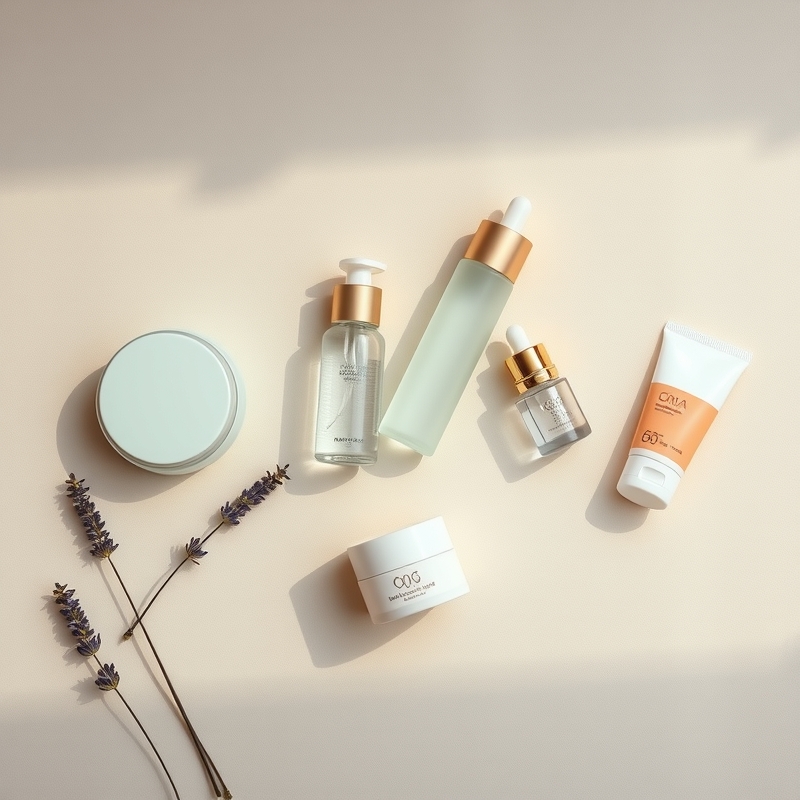
The core problem with conventional anti-aging routines is that they treat symptoms while ignoring the skin barrier — the invisible shield that keeps moisture in and irritants out. When that barrier is compromised, every expensive serum you apply actually accelerates moisture loss instead of preventing it.
Walk into any drugstore in the West and the anti-aging aisle screams potency: high-percentage retinol, glycolic acid peels, vitamin C at maximum concentration. The Korean approach is almost the opposite. In Seoul’s Gangnam district, where many of Korea’s top dermatology clinics are clustered, the first thing most dermatologists address isn’t wrinkles — it’s skin barrier health.
Here’s why this matters for aging specifically:
- A damaged barrier loses moisture up to 3 layers deep, making fine lines appear deeper and more permanent than they actually are
- Irritated skin triggers chronic low-grade inflammation — what Korean dermatologists call “inflammaging” — which breaks down collagen over time
- Without a healthy barrier, active ingredients like retinol penetrate unevenly, causing irritation patches instead of smooth renewal
- Over-exfoliated skin actually thins faster, the exact opposite of what you want for anti-aging
Most food blogs get Korean skincare wrong too — they list 10 products and call it a routine. The real Korean anti-aging philosophy isn’t about more steps. It’s about the right steps in the right order, with barrier health as the non-negotiable foundation.
Signs Your Anti-Aging Skincare Routine Needs a Korean Reset
If your skin stings when you apply moisturizer, your anti-aging routine is working against you, not for you. That burning sensation means your barrier is compromised, and every active ingredient you layer on top is doing more harm than good.
Korean skincare philosophy has a concept called 피부 결 (pi-bu gyeol), which roughly translates to “skin texture” but really means the overall quality, grain, and luminosity of your skin. When your gyeol is off, no amount of anti-aging product will make you look younger. Check yourself against this list:
The Korean Skin Barrier Damage Checklist
- Your skin feels tight within 10 minutes of washing your face — healthy skin shouldn’t feel stripped after cleansing
- Products that used to work fine now sting or cause redness
- Your skin looks dull even right after applying serums and moisturizer
- Fine lines look dramatically worse in the afternoon than they do in the morning — this signals moisture loss, not true wrinkles
- You’ve been using retinol for months but see more flaking than improvement
- Your skin tone is uneven with patches of redness or rough texture
- Makeup settles into lines more than it used to, even with primer
If three or more of these describe you, the problem isn’t that you need a stronger product. You need to step back and rebuild. Korean women call this a “skin reset” — a period where you strip your routine down to barrier-repair basics before reintroducing actives. Without this step, you’re essentially pouring expensive serums into a cracked bowl.
The Korean Anti-Aging Skincare Routine That Actually Works
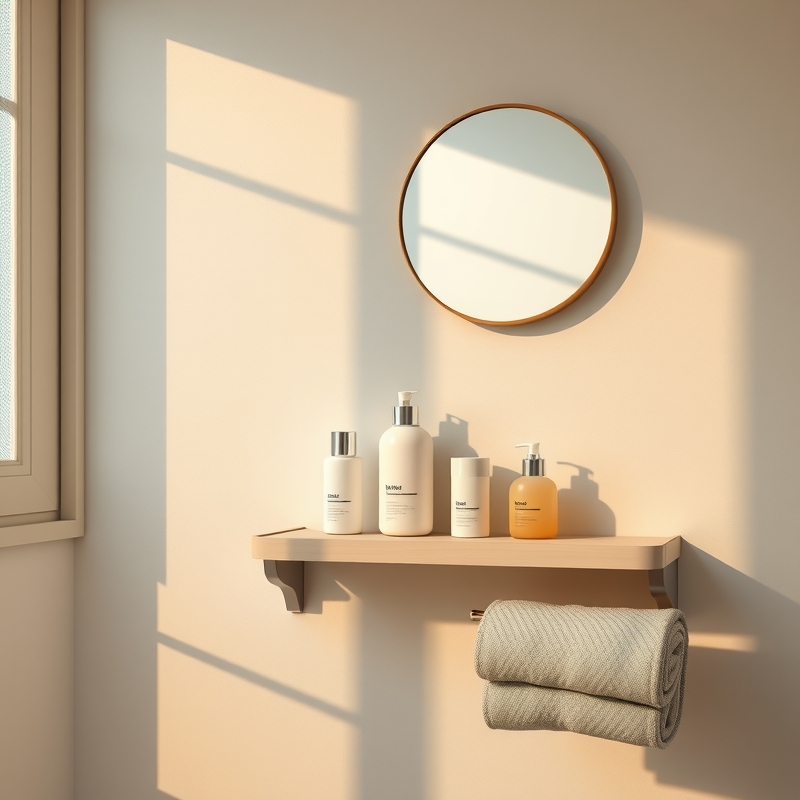
The Korean anti-aging skincare routine prioritizes hydration layering and gentle actives over the Western approach of maximum-strength single products. This isn’t a 10-step marathon — most Korean women over 30 actually use 5-7 products, but each one serves a specific purpose in the barrier-first hierarchy.
Step 1: Double Cleanse (The Foundation Most People Rush)
Korean grandmothers have been double cleansing since before it had a trendy name. The logic is simple and scientific: oil dissolves oil-based impurities (sunscreen, makeup, sebum), and water-based cleanser removes everything else. Skipping the oil step means your water cleanser works harder, strips more moisture, and leaves residue that blocks your serums from absorbing.
The anti-aging angle most people miss: residual sunscreen left on skin overnight generates free radicals. That means your sun protection during the day becomes a source of oxidative damage at night if you don’t remove it properly.
Use a cleansing oil or balm first, massage for about 60 seconds, rinse, then follow with a low-pH gel or foam cleanser. Your skin should feel clean but never tight.
Banila Co Clean It Zero Cleansing Balm
This is the cleansing balm you’ll find in nearly every Korean bathroom cabinet. It melts sunscreen and makeup without stripping, and the sherbet texture makes the 60-second massage step feel like a mini facial rather than a chore.
Step 2: Hydrating Toner (Not the Astringent Kind)
Forget everything you know about Western toner. Korean toners — called 스킨 (seu-kin) — are watery hydrating layers, not astringent pore-shrinkers. This is the single most misunderstood step for non-Korean skincare fans, and it’s arguably the most important anti-aging step in the entire routine.
The concept is called “7-skin method” in its extreme form — patting up to seven layers of hydrating toner into the skin. Most Korean women do 2-3 layers. Each layer pulls moisture deeper into the skin, plumping fine lines from the inside out. The effect is immediate and cumulative.
Look for toners with hyaluronic acid, panthenol, or centella asiatica. Avoid anything with alcohol (에탄올) listed in the first five ingredients.
Step 3: Essence or Serum (Where the Anti-Aging Power Lives)
This is where Korean routines and Western routines converge — but with a critical difference. Korean anti-aging serums tend to use lower concentrations of actives combined with fermented ingredients, rather than the Western approach of maximum-strength single actives.
Fermented ingredients — like galactomyces, bifida ferment lysate, and saccharomyces — are a cornerstone of Korean anti-aging science. The fermentation process breaks down molecules into smaller sizes that penetrate skin more easily. Korean skincare giant Amorepacific has invested heavily in fermentation research, and their findings suggest fermented extracts improve absorption significantly compared to non-fermented versions of the same ingredient.
For anti-aging specifically, Korean dermatologists generally recommend these actives in order of priority:
- Retinal (not retinol) — the Korean preference is retinal (retinaldehyde), one step closer to the active form retinoic acid, meaning it works faster with less irritation
- Peptides — signal your skin to produce more collagen without the irritation risk of retinoids
- Niacinamide — brightens, strengthens the barrier, and reduces fine lines. Korea’s MFDS (Ministry of Food and Drug Safety) recognizes niacinamide as a functional whitening ingredient
- Adenosine — an underrated anti-wrinkle ingredient that Korea’s MFDS has officially approved for anti-wrinkle claims
COSRX Advanced Snail 96 Mucin Power Essence
Snail mucin sounds unusual until you feel what it does — deeply hydrates without heaviness, helps smooth fine lines, and supports skin repair overnight. There’s a reason this essence has become the most recognized K-beauty product worldwide.
Step 4: Moisturizer (Seal Everything In)
Korean moisturizers for anti-aging tend to be richer than what younger skin needs, but still lighter than most Western anti-aging creams. The goal is to lock in all those hydration layers without creating a heavy, occlusive film that can clog pores and cause the milia (tiny white bumps) that make skin look older.
Look for ceramides, squalane, or shea butter. If you’re over 35, night creams with retinal + peptide combinations are increasingly popular in Korean formulations — they combine repair and protection in one step.
Step 5: Sunscreen (The Only True Anti-Aging Product)
Korean dermatologists are unanimous on this point: sunscreen is the single most effective anti-aging product that exists. Not retinol. Not collagen. Not any serum at any price point. Broad-spectrum UV protection prevents roughly 80% of visible skin aging, according to widely cited dermatological research.
Korean sunscreens are in a category of their own — lightweight, no white cast, often with skincare benefits built in. Many feel like a moisturizing primer rather than a traditional sunscreen. This matters enormously because the best sunscreen is the one you’ll actually wear every single day, and Korean formulations make daily use genuinely pleasant rather than a sticky chore.
Apply a generous amount (about a two-finger-length strip) as the last step of your morning routine, and reapply every 2-3 hours if you’re outdoors.
Beauty of Joseon Relief Sun: Rice + Probiotics SPF50+
This sunscreen went viral for good reason — it feels like a lightweight moisturizer, leaves zero white cast, and actually improves skin texture over time thanks to rice bran and probiotic extracts. The kind of sunscreen that makes you forget you’re wearing sunscreen.
Korean vs. Western Anti-Aging Skincare: What Actually Differs
| Feature | Typical Western Routine | Korean Anti-Aging Routine (Recommended) | Minimal/Budget Routine |
|---|---|---|---|
| Philosophy | Fix damage with strong actives | Prevent damage + repair barrier first | Basic protection only |
| Number of Steps | 3-4 products | 5-7 products (each lightweight) | 3 products |
| Cleanser Approach | Single foaming cleanser | Double cleanse (oil + water-based) | Single gentle cleanser |
| Hydration Layers | 1 (moisturizer) | 2-3 (toner + essence + moisturizer) | 1 (moisturizer) |
| Active Strength | High concentration, single active | Moderate concentration, multiple synergistic actives | None or minimal |
| Sunscreen Priority | Optional or seasonal | Non-negotiable daily step, elegant formulas | Basic SPF moisturizer |
| Irritation Risk | High (barrier damage common) | Low (barrier protection is the foundation) | Very low |
| Estimated Monthly Cost | Around $40-80 | Around $30-60 (Korean products offer great value) | Around $10-20 |
| Visible Results Timeline | Fast but often with side effects | Gradual, cumulative, sustainable improvement | Slow or maintenance only |
Notice the Korean routine sits in the sweet spot — more thorough than a bare-minimum approach, more sustainable than the aggressive Western method, and often more affordable. The “more steps” concern disappears once you realize each product takes about 15 seconds to apply. The full routine takes under 10 minutes, compared to the 5 minutes most people spend on a less effective 3-step routine.
Frequently Asked Questions
What happens if I skip the double cleanse in my Korean anti-aging routine?
Skipping the oil cleanse step means sunscreen and makeup residue stays on your skin overnight, generating free radicals that break down collagen. Over months, this invisible residue contributes to dullness, uneven texture, and accelerated fine lines — the exact issues your anti-aging products are supposed to prevent. Even if you don’t wear makeup, the oil step removes sunscreen and accumulated sebum that water-based cleansers can’t fully dissolve.
At what age should I start a Korean anti-aging skincare routine?
Korean dermatologists generally recommend starting preventive anti-aging care in your mid-20s. This doesn’t mean heavy retinol at 25 — it means establishing consistent hydration, sun protection, and gentle actives like niacinamide and adenosine. Prevention is dramatically easier than correction. If you’re in your 30s or 40s starting now, you’ll still see significant improvement within 6-8 weeks of consistent barrier-first care.
Can I use Korean and Western products together in the same routine?
Yes — the Korean approach is a philosophy, not a brand requirement. The key is following the Korean layering logic: thinnest to thickest texture, hydration before actives, barrier protection always. A Western retinol serum works perfectly within a Korean routine structure, as long as you’re buffering it with proper hydration layers before and moisture-sealing after. Many Korean women mix brands freely.
Is the Korean 10-step routine necessary for anti-aging results?
No — the “10-step routine” is largely a marketing creation that went viral outside Korea. Most Korean women use 5-7 products and adjust seasonally. The non-negotiable steps for anti-aging are: double cleanse, hydrating toner, one active serum, moisturizer, and sunscreen. Sheet masks, eye creams, and extra essences are pleasant additions but not essential for results.
Why do Korean women look younger than their age?
It’s a combination of consistent preventive skincare from a young age, daily sunscreen use, hydration-focused routines, and diet factors like high intake of fermented foods and vegetables. Genetics play a role, but the cultural emphasis on skin health — rather than covering imperfections with heavy makeup — means most Korean women have been protecting their skin barrier for decades by the time visible aging would typically begin. It’s a long game, not a magic product.
Key Takeaways
- Barrier health comes before active ingredients — without a healthy skin barrier, even the most expensive anti-aging serum causes more irritation than improvement
- Double cleansing isn’t optional for anti-aging — leftover sunscreen on skin overnight generates free radicals that break down collagen, undoing your daytime protection
- Korean hydrating toners are the most underrated anti-aging step — layering 2-3 applications of watery toner plumps fine lines from the inside, with visible results often within days
- Sunscreen is the single most effective anti-aging product, and Korean formulas have solved the texture problem that stops most people from daily use
- Lower-concentration actives used consistently outperform high-strength products used sporadically — the Korean approach favors gentle daily progress over aggressive weekend treatments
- The full Korean anti-aging routine takes under 10 minutes and often costs less per month than a Western 3-product routine, thanks to Korea’s competitive beauty market
Tonight, try one thing: after your regular cleanser, pat three layers of a hydrating toner into your skin — apply one layer, let it absorb for 10 seconds, repeat. When you wake up tomorrow and your fine lines look softer, you’ll understand why Korean women have been doing this for decades.
This article contains affiliate links. If you purchase through these links, we may earn a small commission at no extra cost to you. We only recommend products we genuinely believe in.